
El Niño Preparation: How to Prepare Your Home for Flooding
Posted by Michele Priest on Oct 27th 2026
El Niño can influence winter weather across the United States, increasing the likelihood of wetter conditions in some regions. For the 2026–2027 winter, the National Oceanic and Atmospheric Administration (NOAA) states that El Niño will likely influence upcoming winter months across parts of the southern United States and along portions of the West and East Coasts. These are seasonal probabilities, not a guarantee of flooding in any community.
You don't need to predict the weather to prepare for it. Clearing gutters, checking drainage, reviewing your insurance and understanding how storms can affect drinking water are practical steps you can take before heavy rain arrives.
Here's what homeowners and renters should know.
What Is El Niño and How Does It Affect Winter Weather?
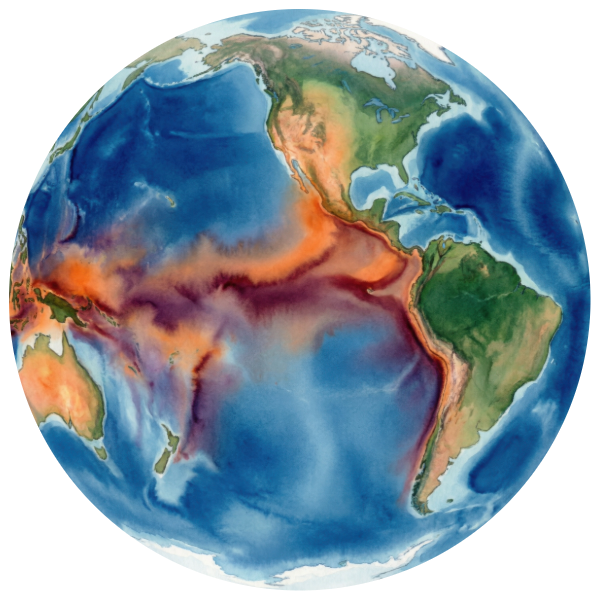 El Niño is a natural climate pattern that develops when sea surface temperatures in the central and eastern tropical Pacific become warmer than normal. These changes affect atmospheric circulation and influence weather patterns around the world.
In the United States, El Niño often favors wetter winter conditions across parts of the southern tier of the country. However, its effects vary by region, and individual storms cannot be predicted from El Niño alone.
For households, the important question isn't simply whether El Niño is occurring. It's whether your property, local drainage systems and community are prepared for heavy rain, flooding and possible power outages.
1. Clean Gutters and Check Drainage
Gutters and downspouts help move rainwater away from your roof and foundation. When leaves, pine needles and other debris block them, water can overflow and collect near your home.
Before the rainy season:
-
- Remove leaves and debris from gutters.
- Check that downspouts are clear and direct water away from the foundation.
- Clear leaves from outdoor drains and drainage channels.
- Look for low spots where water collects near your home.
- Check for visible roof damage or drainage problems.
- Arrange professional help for repairs or cleaning that cannot be done safely.
Also walk around your property after a rainstorm, when it is safe to do so. Look for places where water repeatedly pools, soil erodes or runoff moves toward the house. Persistent drainage problems may need attention before the next major storm.
2. Inspect Trees and Secure Outdoor Items
Strong winds and saturated soil can create additional hazards during storms. Dead branches may fall, while loose outdoor items can be moved by high winds.
Look for dead or damaged branches, limbs hanging over the roof, and trees that appear unstable. Have a qualified tree professional assess large trees or branches near power lines.
Secure or bring inside patio furniture, lightweight decorations, trash containers and other items that could be blown around. Keeping outdoor drains clear of leaves and debris can also help water flow away from the property.
3. Know Your Flood Risk
You do not have to live beside a river or ocean to experience flooding. Heavy rainfall can overwhelm drainage systems, flood streets and low-lying areas, and send runoff into neighborhoods.
Check FEMA’s (Federal Emergency Management Agency) Flood Map Service Center to look up your flood risk based on your street address. Check local records to learn whether your property has experienced flooding in the past. Find out where water tends to collect, which nearby roads flood, and where you can go if authorities issue an evacuation order.
It's also helpful to:
-
- Sign up for local emergency alerts.
- Identify evacuation routes and alternative roads.
- Know where to find local emergency information.
- Keep important documents accessible in a waterproof container or secure digital location.
Never drive or walk through floodwater. Water can conceal damaged pavement, debris, electrical hazards and other dangers. Even water that appears shallow can be dangerous.
5. Review Your Home, Renters and Auto Insurance Before a Flood
Preparing for a storm includes understanding your financial protection. Do not wait until heavy rain is in the forecast to find out what your insurance policies cover.
Coverage varies by insurer and policy, so contact your insurance agent or company and ask for an explanation of your specific coverage, exclusions, limits and deductibles.
 Homeowners Insurance
Standard homeowners’ policies generally exclude damage caused by flooding. However, other types of storm-related water damage may be covered, depending on the circumstances and policy terms.
For example, damage caused by wind-driven rain entering through a storm-damaged roof may be treated differently from damage caused by rising floodwater. The cause of the damage and the policy wording matter.
Ask your insurer:
-
- Does my policy cover flooding from rising water or heavy rainfall?
- Do I have a separate flood insurance policy?
- Are mudflow, mudslide or debris-flow damage covered or excluded?
- What are my dwelling and personal-property coverage limits?
- What deductibles apply to storm-related damage?
- Does my policy cover temporary living expenses if my home becomes uninhabitable?
- Are there exclusions or limits for water backup or damage to belongings stored in a basement?
If you need flood insurance, ask about policies available through the National Flood Insurance Program or private insurers. Flood insurance is generally separate from a standard homeowners insurance policy Policy terms, waiting periods and coverage limits vary, so verify these details before purchasing.
Renters Insurance
Renters should also review their policies. Standard renters’ insurance generally does not cover personal belongings damaged by flooding. Separate flood coverage may be available.
Ask whether your belongings are covered for different types of storm damage, what limits and deductibles apply, and whether temporary living expenses are included for covered losses. Remember that your landlord's insurance generally covers the building, not your personal belongings.
Auto Insurance
Flood damage to a vehicle may be covered if your auto policy includes comprehensive coverage, sometimes called “other than collision” coverage. Liability-only insurance does not provide this protection for damage to your own vehicle.
Check your policy's declarations page or ask your insurer:
-
- Do I have comprehensive coverage?
- Is flood damage to my vehicle covered?
- What deductible applies?
- Are there any relevant exclusions or coverage limits?
Document Your Property Before a Storm
Take photos or videos of your home, major belongings and vehicles. Save receipts and keep a current inventory of valuable items. Store copies of insurance policies and important records somewhere they can be accessed if your home is damaged.
These records can help you document the condition of your property if you need to file a claim.
For additional information, consult the Insurance Information Institute and your state insurance department.
6. Understand How Flooding Can Affect Drinking Water
Floodwater can carry bacteria, sewage, chemicals and other contaminants into rivers, groundwater and other water sources. Flooding may also damage water and wastewater infrastructure.
That does not mean public tap water automatically becomes unsafe after heavy rain. Public water systems treat and monitor drinking water, and local authorities issue advisories when a water-safety concern requires action.
After significant flooding, check announcements from your water utility and local health department. Know where your utility posts service updates and drinking-water advisories.
If you have a private well, take extra precautions. Floodwater can enter a well through damaged or inadequately sealed components and contaminate the water supply.
If your well has flooded or you suspect contamination:
-
- Do not assume the water is safe because it looks clear.
- Contact your local health department for instructions.
- Have the water tested by a qualified laboratory as recommended.
- Follow guidance on disinfection and when the water can safely be used.
For more detail, see Penn State’s Post-Flood Drinking Water Safety for Private Wells.
If your home uses a septic system, flooding may interfere with its operation. Avoid unnecessary contact with flooded areas around the system and consult your local health department or a septic professional if you suspect damage.
7. Know What to Do if a Drinking-Water Advisory Is Issued
A major storm does not automatically mean you need to boil your tap water. Follow instructions from your local water utility or health department.
Different advisories require different actions. The Centers for Disease Control and Prevention (CDC) have an overview of the different types of water advisories:
-
- Boil-water advisory: Officials generally instruct residents to boil water before drinking it or using it for specified food-preparation purposes.
- Do-not-drink advisory: Use another approved water source for drinking and other uses identified by officials.
- Do-not-use advisory: Do not use tap water for the activities specified in the notice.
Boiling water does not remove all contaminants, including many chemicals, so always follow the specific instructions in the advisory.
Read the full advisory rather than relying on the label alone. The appropriate response depends on the hazard and the instructions provided by local authorities.
A household water filter should not be treated as a substitute for an official advisory. Filters are designed and certified to reduce specific contaminants under specified conditions. Do not assume that a filter makes floodwater safe or overrides instructions from public-health officials. Before an emergency, check your water filtration system's certification and manufacturer documentation to determine which contaminants it is certified to reduce.
Never use floodwater as drinking water.
8. Prepare for Power Outages and Post-Flood Cleanup
Storms can interrupt electricity when wind, falling trees, flooding or infrastructure damage affects power lines and equipment.
Before severe weather:
-
- Charge phones and backup batteries.
- Keep flashlights and spare batteries accessible.
- Know how to report a power outage.
- Consider which household equipment depends on electricity.
- Review generator safety instructions before using one.
Never operate a portable generator inside your home, garage or another enclosed space. Generator exhaust contains carbon monoxide, which can cause serious injury or death. Follow the manufacturer's safety instructions and keep generators outdoors, away from doors, windows and vents.
After flooding, standing water and moisture can lead to mold growth and damage building materials. Do not enter flooded areas if electrical hazards may be present. Follow local safety instructions, use appropriate protective equipment during cleanup, and arrange professional assistance when damage or contamination requires it.
El Niño Storm-Preparation Checklist
Use this checklist before the next period of heavy rain:
Around your property
- Clean gutters and downspouts.
- Clear outdoor drains and drainage channels.
- Check where water collects around the foundation.
- Inspect trees and secure loose outdoor items.
Insurance
- Review homeowners or renters insurance.
- Confirm whether separate flood insurance is needed.
- Check auto comprehensive coverage.
- Review deductibles, limits and exclusions.
- Photograph your home, belongings and vehicles.
Flood and Evacuation Planning
- Check your local flood risk.
- Identify evacuation routes and alternate roads.
- Sign up for emergency alerts.
- Know where to find official local updates.
Water and Power
- Know where your utility posts drinking-water advisories.
- Understand what to do if a private well floods.
- Charge phones and backup batteries.
- Review generator safety.
You Don't Have to Predict the Storm to Prepare for It
El Niño can influence winter weather, but it cannot tell you exactly when or where flooding will occur. The most useful preparation is practical: maintain your property, understand your local risks, review your insurance and know how to respond if water or power services are affected.
Taking these steps before a storm gives you more time to address problems and understand your options when conditions change.