

Keep Pets Safe This Summer
Posted by Michele Priest on Jul 13th 2026
Hot Weather, Hydration, and Water Safety Tips
Summer is made for backyard barbecues, family hikes, afternoons at the lake, and long walks with your dog. But as temperatures climb, so do the risks for pets. Dogs and cats don't cool themselves the same way people do, making them much more vulnerable to heat exhaustion, dehydration, burned paw pads, and heat stroke.
The good news? A few simple precautions can help keep your four-legged family members safe and comfortable all season long.
|
QUICK ANSWER: |

Why Summer Heat Is Harder on Pets
Dogs primarily regulate their body temperature by panting and through sweat glands located in their paw pads. When temperatures and humidity rise, those cooling methods become less effective. According to the American Veterinary Medical Association, pets can develop heat stroke surprisingly quickly, especially during exercise or when left in hot environments.
Certain pets are at even greater risk, including:
- Puppies and kittens
- Senior pets
- Overweight animals
- Pets with heart or respiratory conditions
- Flat-faced breeds such as Bulldogs, Pugs, Boxers, Persian cats, and Himalayan cats
- Thick-coated breeds
Even healthy pets can overheat if they're active during the hottest part of the day.
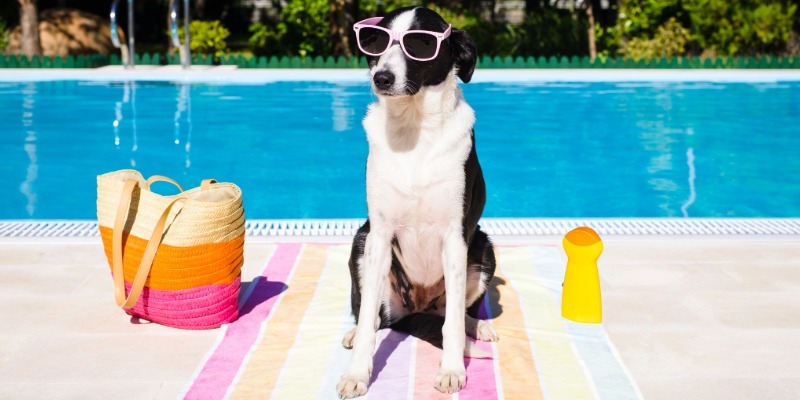
Water Is Your Pet's Best Defense Against Heat
Hydration is one of the simplest, and most important, ways to protect pets during warm weather.
Unlike people, pets can't tell you when they're thirsty. By the time they begin showing signs of dehydration, they may already need veterinary attention.
Tips for Keeping Pets Hydrated
- Provide fresh, cool drinking water both indoors and outdoors.
- Wash water bowls daily with soap to help prevent bacteria growth.
- Refill bowls frequently during hot weather.
- Bring water and a collapsible travel bowl on walks or hikes.
- Encourage frequent water breaks during outdoor play.
- If traveling, never assume fresh water will be available at your destination.
For dogs that aren't enthusiastic drinkers, adding ice cubes to their water bowl or offering pet-safe frozen treats can encourage additional water intake.
Why Clean Drinking Water Matters for Pets, Too
When temperatures rise, most pet owners focus on making sure their dogs and cats have enough water. But there's another important question to consider: How clean is the water they're drinking?
Like people, pets depend on water every day to support digestion, regulate body temperature, transport nutrients, and maintain healthy kidney function. Because water makes up a large percentage of their bodies, providing clean, fresh drinking water is one of the simplest ways to support their overall health.
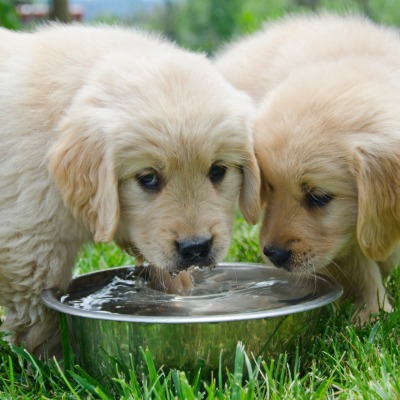 Municipal tap water in the United States is regulated and generally considered safe to drink. However, depending on where you live, tap water may still contain contaminants that are permitted at regulated levels or are not regulated nationwide. These can include chlorine or chloramine used for disinfection, lead from older plumbing, PFAS ("forever chemicals") which have been detected in some public water systems, and microplastics that have been detected in drinking water supplies worldwide. hile research continues into the long-term health effects of some of these contaminants, many pet owners choose to reduce their pets' exposure whenever possible.
Pets also tend to drink from the same bowl day after day, making cleanliness just as important as water quality. A dirty water bowl can quickly become a breeding ground for bacteria, especially during hot weather.
Here are a few simple ways to help keep your pet's drinking water as fresh as possible:
- Replace water at least once or twice each day, and more often during hot weather.
- Wash food and water bowls daily with hot, soapy water, then rinse thoroughly.
- Keep outdoor water bowls in the shade to help the water stay cooler.
- Use stainless steel or ceramic bowls, which are generally easier to keep clean than plastic.
- If you're traveling, bring fresh drinking water from home or bottled water rather than relying on unfamiliar water sources.
For families who already use a certified drinking water filtration system, filling your pet's bowl with the same filtered water your family drinks is an easy way to provide fresh, filtered drinking water throughout the day. The goal isn't to replace regular veterinary care, it's simply another step many pet owners take to help support the health and well-being of every member of the family, including those with four paws.
Signs Your Pet May Be Dehydrated
Watch for:
- Dry or sticky gums
- Thick saliva
- Sunken eyes
- Loss of energy
- Excessive panting
- Reduced skin elasticity
- Loss of appetite
If you suspect dehydration, move your pet to a cool location and contact your veterinarian.
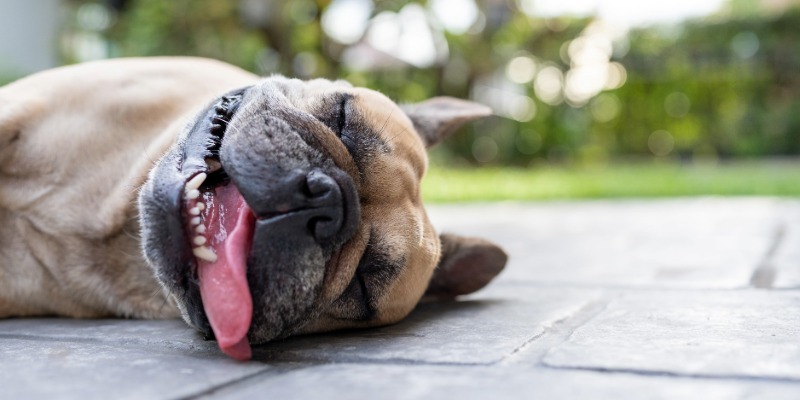
Never Leave Pets in a Parked Vehicle
Even on what feels like a mild day, temperatures inside a parked car can become dangerous within minutes.
According to the American Veterinary Medical Association, cracking the windows does not provide enough cooling to keep pets safe. Temperature in cars can rise about 20°F in just 10 minutes.
When running errands, it's always safest to leave pets at home.
How Hot Is Too Hot for Dog Walks?
One of the biggest summertime dangers isn't the air temperature, it is the pavement.
Asphalt, concrete and even artificial turf absorb sunlight throughout the day and become much hotter than the surrounding air. Paw pads can burn in less than a minute on extremely hot surfaces.
Hot Pavement Temperature Chart
| Air Temperature | Approx. Asphalt Temperature in Full Sun* | Risk to Paw Pads |
| 77°F | 125°F | Burns possible after prolonged exposure |
| 86°F | 135°F | High risk of burns |
| 87°F | 143°F | Burns can occur in about 60 seconds |
| 95°F | 149°F | Serious burn risk in under one minute |
| 104°F | 165°F | Severe burns almost immediately |
*Approximate surface temperatures reported by the American Kennel Club and other veterinary safety resources. Actual temperatures vary depending on sunlight, surface color, wind, and time of day.
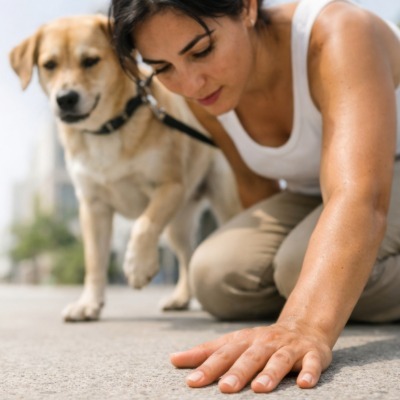 The Seven-Second Test
Before heading out, place the back of your hand on the pavement.
If you can't comfortably hold it there for seven seconds, it's too hot for your dog's paws.
Instead:
- Walk early in the morning.
- Wait until after sunset.
- Choose grassy paths whenever possible.
- Consider protective dog booties for extended walks.
Watch for Heat Stroke
Heat stroke is a medical emergency.
Symptoms include:
- Heavy or excessive panting
- Bright red gums
- Drooling
- Weakness
- Vomiting
- Diarrhea
- Staggering
- Collapse
- Seizures
If you suspect heat stroke:
- Move your pet into shade or air conditioning.
- Offer cool (not ice-cold) drinking water.
- Wet your pet with cool water.
- Contact your veterinarian immediately.
Do not use ice water, which may make cooling less effective.
Water Safety Around Pools, Lakes, and Beaches
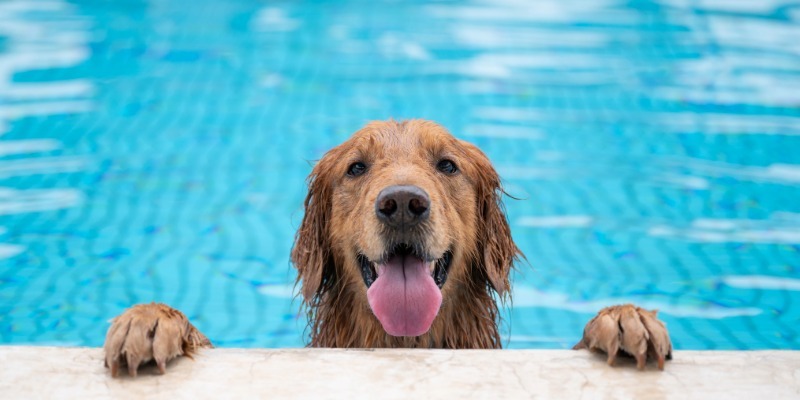
Many dogs enjoy swimming, but not all are natural swimmers.
Veterinary Centers of America (VCA) offer the following water Do’s and Don’ts to keep your dogs safe in and around the water:
- Do not leave your dog unsupervised around water. Not all dogs can swim.
- Teach dogs where pool steps are located so they know how to safely exit the pool if they fall in.
- Use a properly fitted canine life jacket at all times while boating.
- Rinse pets after swimming to remove chlorine, salt, or lake contaminants.
- Provide fresh drinking water so they don't drink pool, lake, or ocean water which can contain harmful contaminants.
Salt water can cause dehydration and gastrointestinal illness, while some lakes may contain harmful algal blooms or leptospirosis that can be dangerous to pets.
Make Outdoor Water Available
If your pet spends time outside:
- Keep water bowls in shaded locations.
- Use heavy bowls that won't tip over.
- Check water often throughout the day.
- Refresh warm water with cool water several times daily.
On extremely hot days, placing multiple water stations around the yard can encourage pets to drink more frequently.
Know Which Pets Need Extra Protection
 Some pets overheat faster than others.
Extra precautions should be taken with:
- Senior pets or very young pets
- Flat-faced breeds
- Overweight pets
- Pets with heart disease
- Pets with respiratory disease
- Thick-coated, long hair or hairless breeds
These animals often benefit from limiting outdoor activity during the hottest hours of the day.
Don't Forget Fresh Water During Summer Travel
Whether you're heading to the park, campground, or beach:
Pack:
- Bottled or filtered drinking water
- A portable water bowl
- Cooling towels
- Extra leash
- Pet first-aid supplies
- Waste bags
Stopping every 20 to 30 minutes for water during longer outings helps reduce the risk of overheating.
Quick Summer Pet Safety Checklist
✔ Provide unlimited fresh drinking water.
✔ Walk dogs during cooler morning or evening hours.
✔ Test pavement before every walk.
✔ Never leave pets in parked vehicles.
✔ Provide plenty of shade outdoors.
✔ Watch closely for signs of dehydration or heat stroke.
✔ Supervise pets around pools and open water.
✔ Carry water whenever leaving home.
The Bottom Line
Summer adventures are more enjoyable when pets stay safe, cool, and well hydrated. Paying attention to temperature, pavement conditions, and access to clean drinking water can dramatically reduce the risk of heat-related illness.
Whether you're spending the day in the backyard, taking a neighborhood walk, or heading out for a weekend road trip, a little planning goes a long way toward helping your pet enjoy a healthy, happy summer.
Adding an FAQ section is an excellent way to capture long-tail search traffic and increase your chances of appearing in Google's AI Overviews and Featured Snippets. Here is a version that is factual, conversational, and fits naturally with the rest of your article.

Frequently Asked Questions
- How much water should my dog drink each day?
A healthy dog generally needs about 1 ounce of water per pound of body weight each day, although individual needs vary based on activity level, diet, age, and weather. During hot summer months or after exercise, your dog may need significantly more. Always provide unlimited access to fresh, clean drinking water and encourage frequent water breaks when spending time outdoors. - How can I tell if my pet is dehydrated?
Early signs of dehydration include excessive panting, dry or sticky gums, thick saliva, low energy, and loss of skin elasticity. More severe dehydration can lead to sunken eyes, weakness, and collapse. If you suspect your pet is dehydrated, move them to a cool area, offer fresh water, and contact your veterinarian if symptoms don't improve quickly. - Is it safe for dogs to drink lake or ocean water?
No. It's best to prevent dogs from drinking water from lakes, ponds, rivers, pools, or the ocean. These water sources may contain bacteria, parasites, harmful algal blooms, chemicals, or excess salt that can make pets sick. Bring fresh drinking water from home whenever you're hiking, camping, or spending the day at the beach. - How hot is too hot to walk my dog?
Air temperature doesn't tell the whole story. Pavement can become much hotter than the surrounding air and may burn your dog's paw pads. Before every walk, use the Seven-Second Test: place the back of your hand on the pavement. If it's too hot to comfortably hold for seven seconds, it's too hot for your dog's paws. During hot weather, choose early morning or evening walks and stick to grassy or shaded paths whenever possible. - Can pets get heat stroke even if they have water?
Yes. While drinking water is essential, it doesn't eliminate the risk of heat stroke. High temperatures, humidity, strenuous exercise, poor ventilation, and hot surfaces can all cause a pet's body temperature to rise dangerously. Fresh water should always be combined with shade, rest breaks, and limiting outdoor activity during the hottest part of the day. - Does my pet need clean drinking water?
Yes. Fresh, clean drinking water supports normal hydration, digestion, temperature regulation, and overall health. Wash your pet's water bowl daily and refill it with fresh water throughout the day, especially during warm weather. Many pet owners choose to provide their pets with the same filtered drinking water they enjoy at home as one simple way to ensure clean, great-tasting water is always available. - Which pets are most at risk during hot weather?
Senior pets, puppies, kittens, overweight animals, flat-faced breeds, thick-coated dogs, and pets with heart or respiratory conditions are more susceptible to heat-related illness. These pets should spend less time outdoors during extreme heat and always have access to shade and fresh water. - What should I do if I think my pet has heat stroke?
Heat stroke is a medical emergency. Move your pet to a cool, shaded, or air-conditioned area immediately. Offer cool drinking water if your pet is alert, and gently wet their body with cool, not ice-cold, water. Contact your veterinarian or the nearest emergency veterinary clinic right away, even if your pet appears to improve.
Trusted Sources
- American Veterinary Medical Association:
- American Kennel Club:
- American Red Cross:
- Centers for Disease Control and Prevention (CDC):
- Veterinary Centers of America (VCA):
- Pet Well Clinic