
Earth Day 2026: Bottled Water Impact & How to Reduce Waste
Posted by Michele Priest on Apr 20th 2026
Every year on April 22, Earth Day is celebrated around the world as a reminder that protecting our environment is a shared responsibility. One of the main focuses each year is understanding the impact of plastic pollution and the negative effects of bottled water. Earth Day began in 1970 in the United States, helping launch the modern environmental movement and leading to major protections like the Clean Air Act and Clean Water Act.
|
Key Takeaway: Plastic pollution and microplastics are more widespread than ever, but simple choices like switching from bottled water to filtered tap water can significantly reduce waste and environmental impact. |
Today, more than 190 countries participate in Earth Day initiatives that support sustainability, reduce pollution, and raise awareness about climate challenges. Earth Day aims to raise awareness of environmental problems around the world, which in the long run help millions of people have a better quality of life. This day highlights how environmental protection is directly tied to clean air, safe water, and public health. Earth Day isn’t just about awareness, it’s about action. And that action often starts with everyday habits.

Plastic Pollution Statistics 2026: Facts, Data, and Environmental Impact
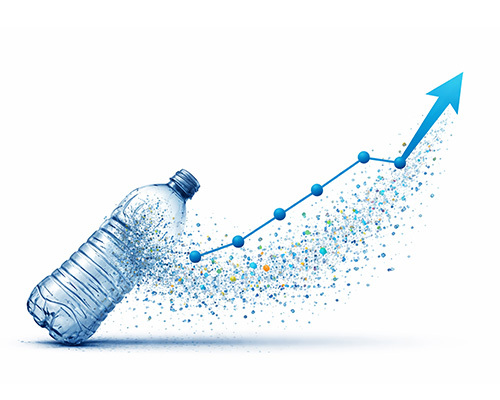 Plastic pollution has become one of the most urgent environmental challenges worldwide.
Plastic doesn’t biodegrade; it breaks down into smaller particles called microplastics, which can persist in the environment for hundreds of years.
A 2025 article from Stanford Medicine reports that researchers are finding microplastics in the brain, heart, lymph nodes and even placentas. It is even found in urine and breast milk. Microplastics are now being detected all around the world from Mount Everest to Antarctica to the Mariana Trench (7 miles deep in the ocean).
Microplastics: Where They're Found and Why They Matter
Microplastics have been found across drinking water, food, and the environment:
- In oceans, rivers, and lakes
- In marine animals and wildlife
- In soil and agricultural systems
- In drinking water supplies
A 2024 CNN report, citing research published in Environmental Research, found that 90% of tested animal and vegetable protein samples contained microplastics, underscoring how widespread plastic contamination has become.
Single-Use Plastic Bottles: A Major Source of Plastic Pollution
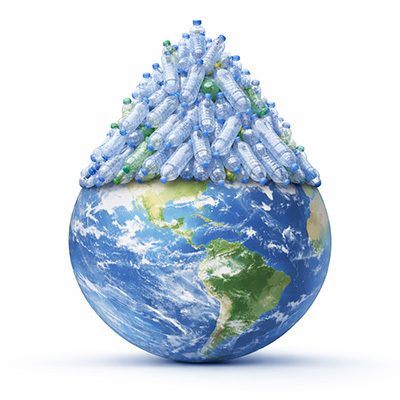 Single-use bottled water is one of the most common and preventable sources of plastic waste.
The Environmental Impact of Bottled Water
- The U.S. uses tens of billions of plastic water bottles annually
- Recycling rates for plastics remain relatively low
Many bottles end up in landfills or oceans, where they remain for hundreds of years, slowly breaking down into microplastics.
Even when recycled, plastic bottles require energy and processing, which adds to their environmental footprint.
Environmental Impact of Bottled Water: Energy, Water Use, and Emissions
The environmental impact of bottled water goes beyond plastic waste.
Producing bottled water requires:
- Fossil fuels to create plastic bottles.
- Energy for bottling and transportation of these bottles.
- Producing bottled water often uses more water than the final product contains.
Transporting bottled water over long distances also increases greenhouse gas emissions. The EPA notes that the production, transportation, and disposal of plastic materials all contribute to environmental impacts, which helps explain why bottled water generally has a higher environmental footprint than tap water.
Microplastics in Bottled Water: What Studies Show
 Studies have found microplastics in both bottled water and tap water, with bottled water often showing higher levels due to plastic packaging.
A February 2026 study published by Science of The Total Environment found that bottled water contained higher concentrations of microplastics than tap water. This suggests that bottled water can be a meaningful source of microplastic exposure in everyday life.
Heat and storage time can increase the likelihood of plastic particles leaching into the water.
While research is ongoing, scientists are increasingly studying the long-term health implications.

How to Reduce Plastic Waste: Simple Daily Changes That Make a Difference
Earth Day is a reminder that every act counts.
Reduce Single-Use Plastics
Start by cutting back on:
- Bottled water
- Plastic bags
- Disposable packaging
Even modest reductions can significantly decrease your environmental footprint over time.
Switch to Reusable Alternatives
Reusable products are one of the easiest ways to reduce waste.
Examples include:
- Stainless steel or glass water bottles
- Reusable shopping bags
- Durable food containers
These swaps are simple, cost-effective, and environmentally responsible.
Rethink How You Drink Water: Reduce Bottled Water Use
 One of the most overlooked environmental decisions is how we consume water. Bottled water may feel convenient, but it creates ongoing plastic waste. Switching to filtered water is one of the most effective ways to reduce plastic waste while improving water quality at home. A more practical solution is drinking filtered tap water at home.
High-quality home water filtration systems provide a practical alternative to bottled water.
They can:
- Reduce contaminants such as PFAS, chlorine, and microplastics
- Improve taste and odor
- Deliver clean water directly from your tap
- Eliminate reliance on single-use plastic bottles
Why a Home Water Filtration System is a Sustainable Alternative to Bottled Water
For those looking to improve water quality while reducing plastic waste, an NSF certified home water filtration system offers a long-term, sustainable alternative to bottled water.
Look for a drinking water system that:
- Uses advanced carbon block filtration to reduce a wide range of contaminants.
- Use replaceable filters, reducing waste from disposing of the entire system.
- Improves taste and provides filtered water for everyday use.
- Does not require a lot of maintenance.
Making the switch from bottled water to a long-lasting filtration system can significantly reduce plastic waste while improving your everyday water quality.
Easy Ways to Take Action This Earth Day
If you want to take action beyond your home, Earth Day is a great place to start. Here are a few suggestions:
- Join a Cleanup Event.
- Help remove plastic waste from your local environment.
- Plant Trees or Start a Garden.
- Support ecosystems and improve air quality.
- Support Sustainable Brands.
- Choose companies that prioritize environmental responsibility.
- Share What You Learn.
Education creates awareness and awareness drives change.
Real impact comes from making one small change that you can commit in the long term.
Switching from bottled water to filtered tap water alone can eliminate hundreds or even thousands of plastic bottles per household each year. That’s a meaningful impact from one simple decision.
If you’re looking for one simple place to start, begin with how you drink water:
- Reduce reliance on single-use plastic bottles.
- Lower your environmental footprint over time.
- Improve taste and overall water quality.
- Support a more sustainable daily routine.
A home water filtration system makes that change simple and sustainable.
Earth Day Is Just the Beginning: Small Changes That Make a Big Impact
Earth Day isn’t about perfection. It’s about progress. It’s about recognizing that everyday choices add up, especially when it comes to plastic use and water consumption.
And one of the most impactful places to begin is with something you do every day: how you drink water.


FAQ’s About Earth Day, Plastic Pollution, and Drinking Water
- What is Earth Day and why do we celebrate it?
Earth Day is celebrated every year on April 22 to raise awareness about environmental issues and encourage action to protect the planet. It began in 1970 in the United States and is now recognized globally. Earth Day highlights issues like pollution, climate change, and conservation, while encouraging individuals and communities to make more sustainable choices.
- How does plastic pollution harm the environment?
Plastic pollution harms the environment because it does not fully break down. Instead, it turns into microplastics and nanoplastics that can persist for hundreds of years. These particles contaminate oceans, rivers, soil, and wildlife, and can enter the human food and water supply. The World Economic Forum has listed microplastic pollution in the top ten of the greatest threats to the world.
- Why are single-use plastic water bottles bad?
According to an Earth Day 2026 Fact Sheet, single-use plastic water bottles contribute significantly to environmental pollution. Many are not recycled and end up in landfills or oceans. 79% of plastic ever made is still sitting in landfills or the environment. In addition, producing bottled water requires fossil fuels, energy, and large amounts of water. In an article posted by the Society of Chemical Industry (SCI), recycling rates remain stubbornly low; meaning most bottles become long-term waste.
- Is bottled water safer than tap water?
Not necessarily. In many cases, tap water in the United States is regulated by the United States Environmental Protection Agency (EPA) and must meet strict safety standards. Bottled water is regulated by the FDA, Food and Drug Administration and their standards are not the same. Using a high-quality certified home water filtration system can help reduce contaminants and improve taste without the environmental impact of bottled water.
- What are microplastics and should I be concerned?
Microplastics are tiny plastic particles that result from the breakdown of larger plastics. They have been found in drinking water, food, and even the air. Research is ongoing, but scientists are increasingly studying their potential impact on human health. Reducing exposures such as limiting bottled water use can be a practical step. According to a news release from the EPA and HHS, microplastics are a threat to human health, and have now been added to the EPA’s Contaminant Candidate List.
- How can I reduce my plastic use at home?
You can reduce plastic use by making small, consistent changes:
-
- Switch from bottled water to filtered tap water
- Use reusable water bottles and shopping bags
- Avoid single-use packaging when possible
- Choose durable, long-lasting products
These changes can significantly reduce your environmental footprint over time.
- What is the most eco-friendly way to drink water?
Switching to filtered tap water is one of the most effective ways to reduce single-use plastic waste while improving water quality at home. The most eco-friendly way to drink water is to use filtered tap water in a reusable stainless steel or glass bottle. This eliminates the need for single-use plastic bottles and reduces waste, energy use, and environmental impact associated with bottled water production and transportation.
- How does a home water filtration system help the environment?
A home water filtration system helps the environment by reducing reliance on bottled water, which cuts down plastic waste and lowers carbon emissions from manufacturing and transportation. Long-lasting systems also reduce waste compared to disposable filters.
- Why is Multipure a sustainable water solution?
Multipure's water filters offers durable, high-quality water filtration systems designed to reduce a wide range of contaminants while minimizing environmental impact. By replacing bottled water with a long-term filtration solution, households can significantly reduce plastic waste and support a more sustainable lifestyle.
- What can I do on Earth Day to make a difference?
You can make a difference on Earth Day by:
-
- Join the End Plastics Campaign to reduce plastic waste
- Participating in a local Earth Day cleanup or organize your own
- Switching to reusable products
- Conserving water and energy
- Educating others about sustainability
- Plant a tree in your community
Even small actions can create meaningful change when done consistently. Using home filtration system over bottled water is one of the easiest Earth Day actions.