Wildfires and Drinking Water: Is Your Water Safe After a Fire?
Posted by Michele Priest on Sep 1st 2026
Wildfires Can Affect Drinking Water Long After the Flames Are Gone
In 2025, according to the National Interagency Fire Center, 77,850 fire incidents across the United States burned more than 5.1 million acres. During the first eight months of 2026, more than 51,625 fire incidents were reported, burning over 7.9 million acres. The connection between wildfires and drinking water is important for homeowners to understand because, while the fire may be over, its effects on water quality can last much longer. Here’s what homeowners should know about damaged water infrastructure, loss of pressure, benzene, runoff and drinking-water safety after a fire.
Is Drinking Water Safe After a Wildfire?
That question became especially important after the devastating January 2025 fires in Los Angeles, California. Nine public water systems in Los Angeles county, affecting over 200,000 people were all initially issued "Do Not Drink – Do Not Boil" notices while officials evaluated their water quality and tested for contamination. By May 9, 2025, three months later, the California State Water Resources Control Board reported that safe drinking water had been restored to all nine affected systems.
Research following the 2025 Los Angeles fires also found VOCs in some standing homes, showing that a house does not have to burn for its drinking water to be affected.
How Can a Wildfire Affect Drinking Water?
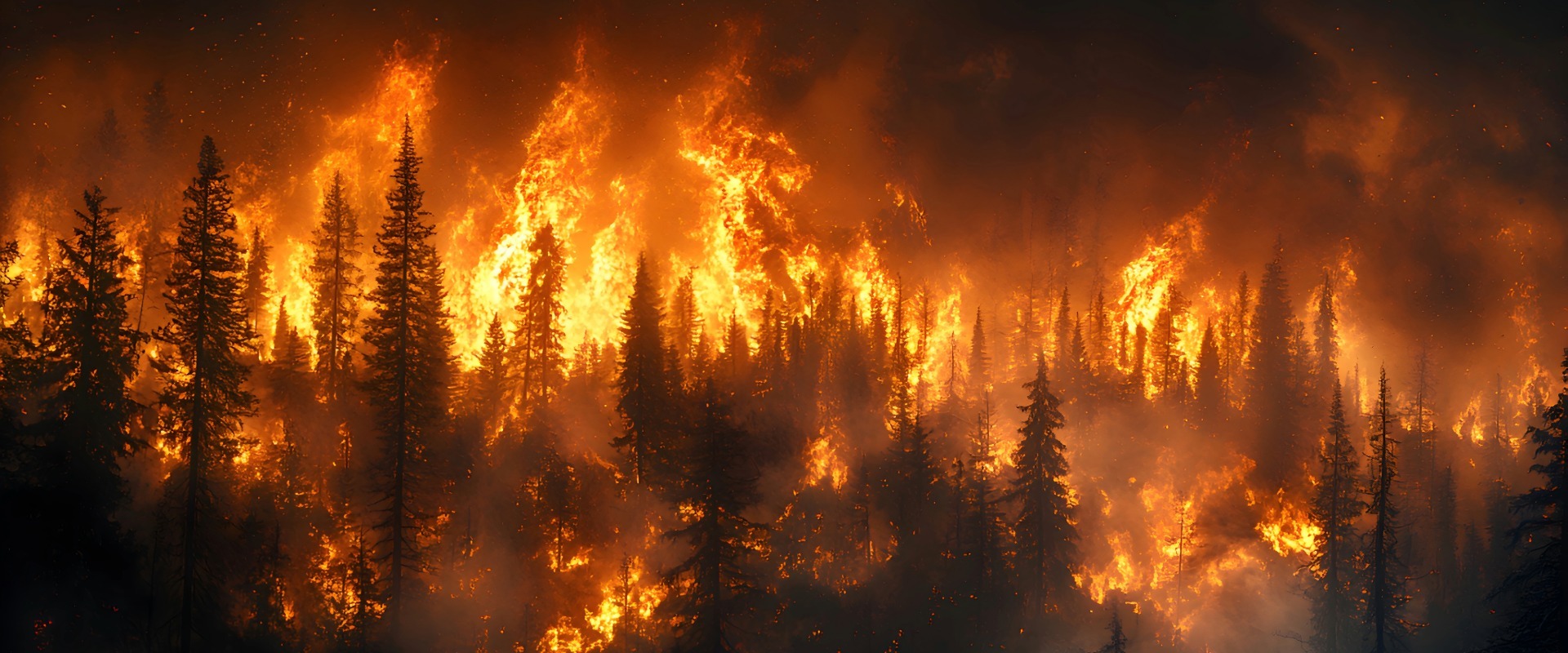
Large-scale fires can damage pipes, pumps, storage tanks, treatment facilities and plastic plumbing. Power failures, broken mains and heavy demand can also cause water systems to lose pressure. Afterward, rain can carry ash, sediment and chemicals into waterways.
Risks vary according to what burned, the intensity of the fire, the water source and the condition of local infrastructure. An urban fire involving homes, vehicles and manufactured materials may create different concerns from a brush fire in undeveloped land. Water quality in an entire community can be affected, not just the immediate fire zone.
Why Does Water Pressure Matter After a Wildfire?
Public water systems are designed to remain pressurized. During a fire, broken pipes, power failures and heavy water use can cause low or no pressure, potentially allowing contaminants to enter supply lines from the environment.
California water officials identify pressure loss as a risk factor for benzene and other organic compounds. Affected systems may require extensive sampling before the water is declared safe. Water flowing from a faucet may look normal even when testing is still necessary.
What Contaminants Can Be Found After a Wildfire?
There isn't one single “contaminant” after a fire.
The contaminants found depend on what burned, how hot the fire was, the condition of the water infrastructure, the water source and what happens afterward.
Potential concerns include:
- Benzene and other volatile organic compounds (VOCs)
- Other chemicals associated with burned materials
- Metals
- Microbial contaminants
- Ash and sediment
- Materials carried into waterways through post-fire runoff
UC Agriculture and Natural Resources notes that wildfires can introduce chemical and microbial contaminants into drinking-water sources and can damage critical infrastructure such as pumps, storage tanks, pipes and treatment plants.
In communities where homes and other structures burn, the mix of materials can make the situation more complicated. Plastics, building materials, vehicles, household products and other manufactured materials can all be involved in a fire.
That doesn't mean every burned material will end up in drinking water. It means there are enough potential pathways that testing becomes an important part of recovery.
Why Is Benzene a Concern?
Benzene is a volatile organic compound and a known human carcinogen, meaning there is sufficient evidence that it can cause cancer in humans. It is one of the contaminants regulated under federal drinking-water standards, and California water officials specifically required benzene screening in the Los Angeles systems affected by the 2025 fires.
A 2026 peer-reviewed study published in the American Chemical Society journal ACS ES&T Water examined 52 standing homes following the 2025 Palisades and Eaton fires. Benzene was detected in 17% of samples. One sample measured 1.62 parts per billion, above the applicable maximum contaminant level, and researchers detected 26 VOCs.
The study did not show that every affected home had unsafe water. It demonstrates that contamination can occur beyond destroyed properties, supporting the need for system-wide evaluation and testing after an emergency.
Fires can be contained long before a water system is considered fully recovered.
This is why consumers should pay attention to the exact language used in a water advisory. California identifies four types of drinking-water advisories relevant to wildfire recovery:
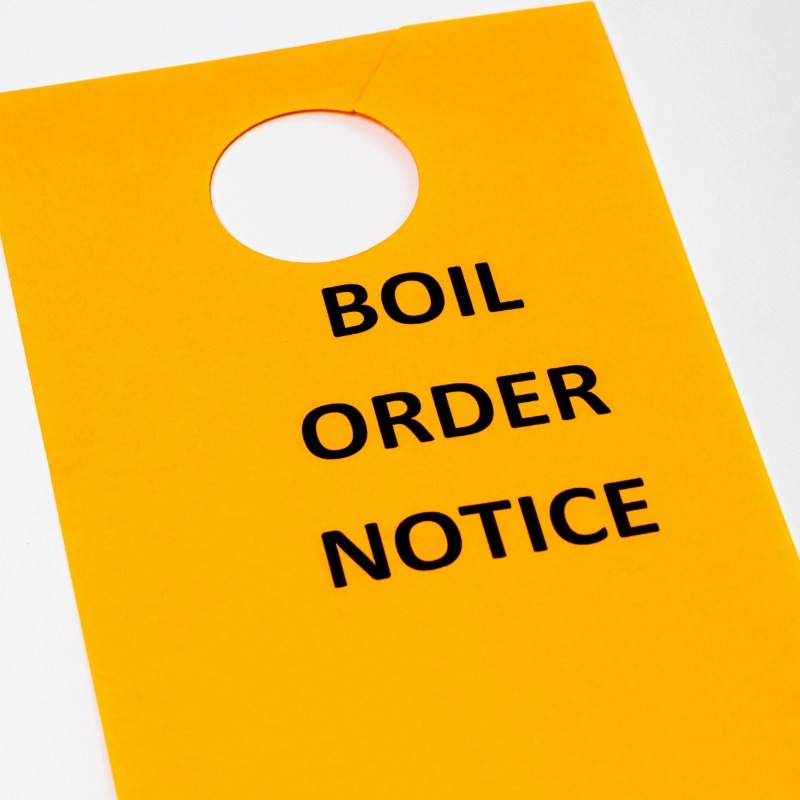
It’s important to understand that they are all different. "Do Not Drink" does not mean the same thing as "Boil Water".
- Boil Water: Boil water before using it for drinking or cooking. You can use it out of the tap for showering or flushing toilets.
- Do Not Drink: Water should NOT be used for drinking or cooking, even if it has been boiled. Okay to use for showering or flushing toilets.
- Do Not Drink – Do Not Boil: Do not use for drinking or cooking. Residents should not boil the water because heating it may create an inhalation risk. Cold water from the tap may be used for showering or flushing toilets.
- Do Not Use: This means water should not be used for any purpose at all.
The safest approach is simple, follow the instructions issued by your water provider. Don't assume that boiling questionable water makes it safe.
What Happens After the Fire When It Rains?
The fire may be over, but the landscape has changed.
Vegetation that once held soil in place may be gone. Ash and debris may cover the ground. Heavy rain can then move sediment and other materials into streams, rivers and other waterways.
Post-fire runoff is a major part of watershed recovery.
The California Water Boards note that debris flows, flooding and chemicals from fire-damaged areas can threaten water quality following a fire. At the same time, the agency points out that contaminated runoff does not necessarily mean a local drinking-water supply has been contaminated. Public water systems can have protections between their infrastructure and the surrounding environment.
That distinction is important. Runoff can be a serious environmental problem without automatically making tap water unsafe.
Whether a drinking water supply is affected depends on the source, infrastructure and circumstances.
Are Private Wells Safer After a Wildfire?
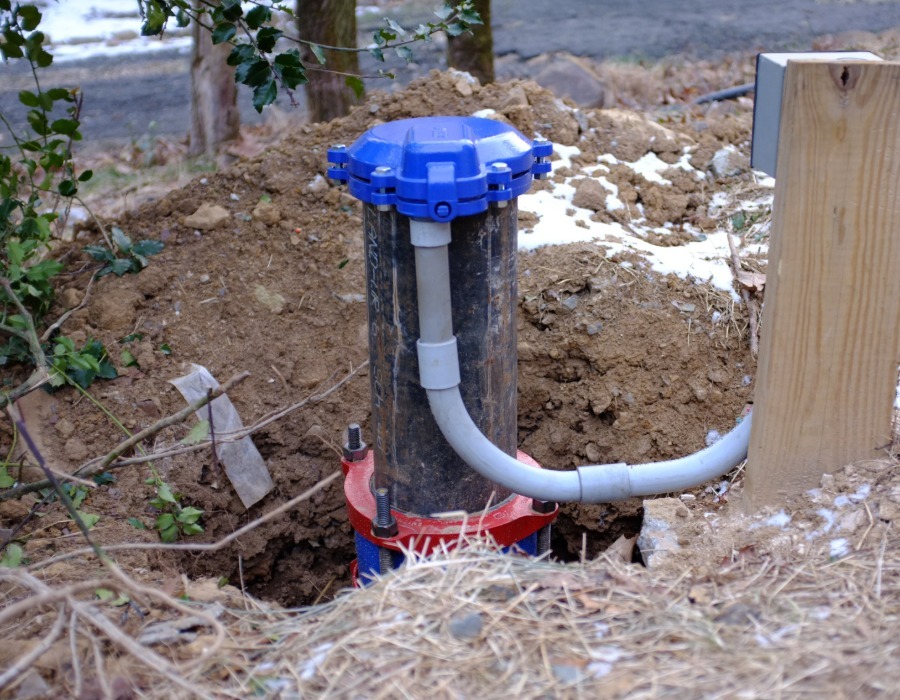
Private well owners have another set of concerns.
A fire can damage pumps, electrical equipment, well components and plumbing. Loss of power can also cause a well pump to stop working, resulting in a loss of water pressure.
The US Centers for Disease Control (CDC) recommends that private well owners whose systems may have been affected by wildfire have the system evaluated and test for bacterial contamination and other contaminants of concern as appropriateand address any damage before resuming normal use.
Private wells can also be vulnerable to contamination after a wildfire, particularly when fire damages the well, plumbing or surrounding property.
After a fire, erosion and changes in drainage can alter how water moves through the landscape. The appropriate testing depends on the circumstances, so private well owners should consult their local health department, water agency or qualified water professional for guidance.
And don't rely on your senses. Water that looks clear is not an indication of quality of water.
What Should You Do If Your Water System Is Affected?
The best advice is also the simplest: check first.
If you've evacuated and are returning home after a wildfire, California Department of Forestry and Fire Protection (CAL FIRE) recommends checking local water quality notices before assuming water is safe. Residents should follow their water provider's instructions and use an alternative drinking water supply if advised.
When Is It Safe to Drink Water Again?
 There is no standard number of days.
It depends on what happened to the system, what contaminants are being investigated, the extent of the damage and how long testing and remediation take.
Before an advisory is lifted, affected water systems may need extensive sampling to demonstrate that contaminant levels meet applicable state and federal requirements.
The Los Angeles experience shows why this can take time.
The fires began in January 2025. The last affected public water system was not cleared until May 9.
That doesn't mean every incident will require months of testing. It means there is no safe shortcut around testing and official clearance when a water system has been affected.
Can a Home Water Filter Help After a Wildfire?
This is where it is important to separate two different questions.
A home water-treatment system can provide additional treatment for specific contaminants when the water supply has been cleared for normal use, and the device is appropriately certified for the contaminant of concern.
It should not, however, be treated as a substitute for an official drinking-water advisory. If your water provider says, "Do Not Drink," don't try to solve the problem by installing a filter and assuming the water is safe.
Once normal use has been authorized, consumers who want additional treatment should look closely at the specific claims made by a water-treatment device. Look for things like NSF certification to verify performance claims.
The California State Water Resources Control Board maintains a database of registered residential water-treatment devices and explains that consumers should look at the contaminants a device is certified to reduce and review its performance data.
That's a good rule for any water filter purchase: don't choose a filter based only on the word "purifier" or "clean." Look at what the device is actually certified to reduce.
What Can Homeowners Do Before a Wildfire?
The easiest time to prepare for a water emergency is before there is one.
Water belongs in the same preparedness conversation as evacuation plans, batteries and emergency supplies.
Homeowners can:
- Know their water provider.
- Know where to find local water-quality advisories.
- Keep an emergency supply of drinking water.
- Know whether their home uses municipal water or a private well.
- Understand what their home's water-treatment system is designed to reduce.
- Keep important water-system information somewhere accessible during an evacuation.
- Know what to do if water service is interrupted.
These aren't complicated steps. But during a wildfire, having that information already available can make one more part of an already stressful situation a little easier.
The Bigger Lesson About Wildfires and Water
Wildfire conversations often focus on the things we can see: flames, smoke, burned homes and damaged landscapes.
Drinking water is different. You can't always see a problem in the water.
A pipe may be damaged underground. A water system may have lost pressure. A chemical may be present at a concentration that cannot be detected by taste or smell.
And that's why post-fire water safety depends on more than what a homeowner can see from the front yard.
The experience of the 2025 Los Angeles fires has already produced valuable lessons for water agencies and researchers around the country. California officials used testing, system assessments and remediation to restore safe drinking water to all nine impacted public water systems.
The 2026 research adds another layer, showing that VOCs can be detected in the water of standing homes after an urban wildfire and that system flushing and testing can reduce those levels.
The Bottom Line
A wildfire doesn't have to destroy your home to affect your drinking water.
Damage to water infrastructure, loss of pressure, burned materials, chemical contamination and post-fire runoff can all create water-quality concerns. The risk varies from one fire and one water system to another, which is why official testing and local guidance are so important.
If a fire emergency affects your community, don't assume the water is safe simply because it looks normal or because your house survived.
Check the advisory. Follow the instructions. Wait for official clearance when testing is required.
And once your water is considered safe, if you want additional treatment at the tap, choose a water-treatment system based on what it is independently certified to reduce.
A wildfire may last a few hours or a few days.
For the communities affected, making sure the water is safe can be part of the recovery for much longer.
FAQs
Can wildfires contaminate drinking water?
What is benzene, and why is it a concern after wildfires?
Does boiling make wildfire-contaminated water safe?
Can I tell if my water is contaminated by looking at it or smelling it?
Should I use a water filter after a wildfire?
Sources & Further Reading
2025 Los Angeles Wildfire Recovery
American Chemical Society, ACS ES&T Water
UC Agriculture and Natural Resources
Water Quality Association (WQA)
National Interagency Fire Center (NIFC)