
Summer Hydration: 9 Signs of Dehydration
Posted by Michele Priest on Jul 29th 2026
Summer Should Be About Making Memories - Not Fighting Dehydration
Summer is the season for gardening, hiking, family vacations, and afternoons by the pool. But warmer weather also brings the often-overlooked signs of dehydration.
Many people assume they'll know when it's time to drink water. Dehydration often develops gradually, and thirst is usually not the first warning sign. By the time you feel thirsty, your body may already be low on fluids, affecting your energy, concentration, and physical performance.
Fortunately, dehydration is largely preventable. Understanding how your body loses water, recognizing the early signs of dehydration, and building simple hydration habits can help you stay healthy and enjoy everything summer has to offer.
Why You May Not Feel Thirsty Until You're Already Dehydrated
One of the biggest misconceptions about hydration is that thirst is your body's first warning sign.
Thirst is often a delayed signal. Your body loses water continuously through sweating, breathing, and even normal daily activities. During hot weather, sweat production increases to cool your body through evaporation. While this process helps regulate body temperature, it also accelerates fluid loss.
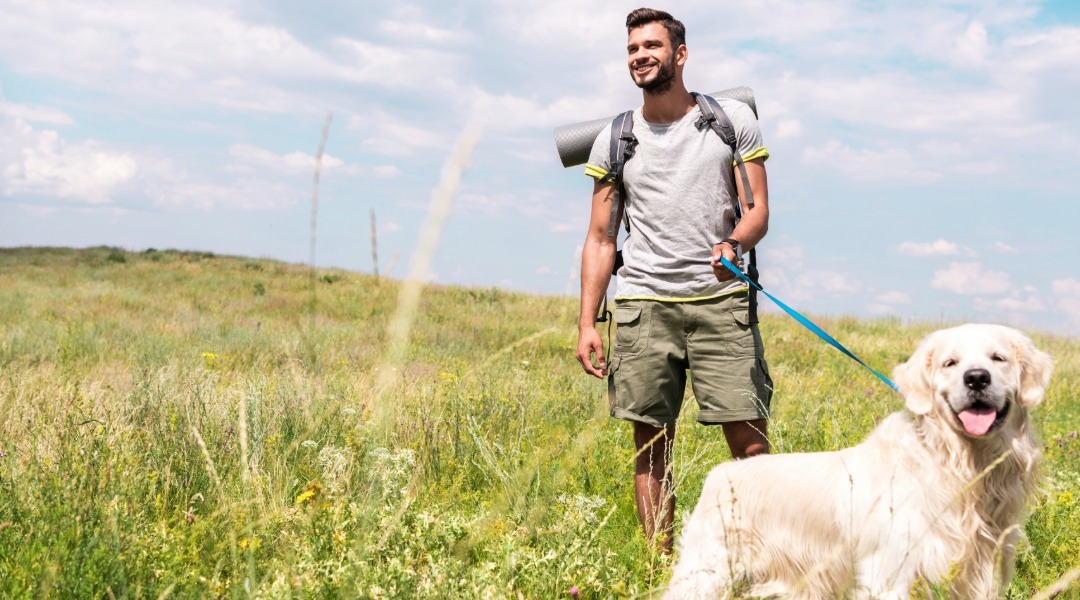
The challenge is that these losses often happen gradually. Whether you're gardening or walking the dog you may lose a significant amount of water without feeling especially hot or sweaty.
Several factors make dehydration easy to overlook:
- You're focused on an activity instead of how you feel.
- A breeze or low humidity causes sweat to evaporate quickly.
- Air conditioning keeps you comfortable while your body continues losing fluids.
- Older adults naturally experience a reduced sense of thirst.
- Children often become so absorbed in play that they forget to stop for water.
Make hydration part of your routine. If you're spending extended time outdoors, drink water before you go outside and drink small amounts every 20 to 30 minutes.
DID YOU KNOW?
Water makes up approximately 50–70% of the human body, according to the Mayo Clinic. It helps regulate body temperature, transport nutrients, lubricate joints, support digestion, and keep every cell functioning properly. Even mild dehydration can affect how you feel and perform, especially during hot weather.
Heat Index: Why Humidity Matters
When checking the weather, most people focus on the temperature. However, humidity can have just as much impact on your body's ability to stay cool.
Normally, sweat cools your skin as it evaporates. On humid days, the air is already saturated with moisture, so sweat evaporates more slowly. Your body responds by producing even more sweat, yet cooling becomes less effective.
As a result, an 88°F day with high humidity can place more stress on your body than a hotter day with dry air, increasing your risk of:
- Dehydration
- Heat exhaustion
- Heat stroke
- Muscle cramps
- Fatigue
Before spending time outdoors on hot, humid days:
- Drink water before heading outside.
- Take breaks in the shade or air conditioning.
- Wear lightweight, breathable clothing.
- Schedule strenuous activities during the early morning or evening when temperatures are lower.
Checking the heat index, not just the temperature, can help you plan outdoor activities more safely.
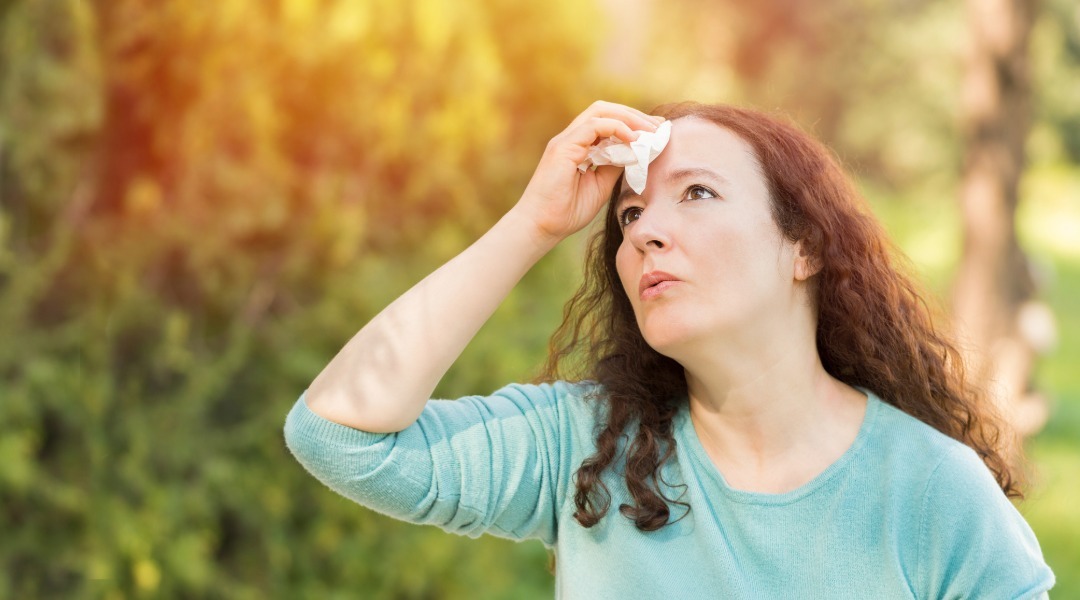
Who Is Most at Risk for Dehydration During Summer?
Anyone can become dehydrated, but some groups are more vulnerable because they lose fluids more quickly or may not recognize dehydration until symptoms become more serious.
Older adults naturally experience less thirst, while young children often forget to stop playing long enough to drink water. Outdoor workers, athletes, and people with certain medical conditions also lose fluids more quickly or may have greater difficulty staying hydrated.
9 Signs of Dehydration You Shouldn't Ignore
Your body often begins signaling that it's low on fluids long before dehydration becomes severe. Recognizing these early warning signs of dehydration can help you rehydrate before symptoms progress to heat exhaustion or other heat-related illnesses.
1. You're Thirsty
Thirst is one of the most familiar signs of dehydration, but it's often a delayed signal. By the time you feel thirsty, your body may already be mildly dehydrated.
2. Your Mouth Feels Dry
A dry or sticky mouth is an early sign that your body is conserving water by producing less saliva. You may also notice dry lips or a scratchy throat after spending time in the heat.
3. You're More Tired Than Usual
Feeling unusually tired after spending time outdoors may be more than just the heat. Even mild dehydration can reduce blood volume, making everyday activities feel more exhausting.
4. You Develop a Headache
Headaches are one of the most common symptoms of dehydration. As your body loses fluids, changes in blood volume and electrolyte balance can trigger pain ranging from a mild ache to a more persistent headache.
If you've been outdoors in hot weather, move to a cool location and drink water. If dehydration is the cause, symptoms often improve as your body rehydrates.
5. Your Urine Becomes Dark Yellow
Urine color is one of the simplest ways to monitor your hydration.
What your urine color might be telling you:
Pale Yellow
Dark Yellow
Amber
Very Dark or Tea-Colored
Keep in mind that certain medications, vitamins, and foods can also affect urine color, so consider your overall symptoms rather than relying on color alone.
6. You Feel Dizzy or Lightheaded
Dehydration can reduce blood volume, making it harder for your body to maintain normal blood pressure, especially when you stand up quickly.
If you feel dizzy after being in the heat:
-
- Move to a cool or shaded area.
- Sit or lie down.
- Sip water slowly.
- Rest until you feel better.
Seek medical care immediately if dizziness is severe, persistent, or accompanied by fainting, confusion, or loss of consciousness.
7. You Have Trouble Concentrating
Your brain depends on adequate hydration to function efficiently. Even mild dehydration can make it more difficult to focus, think clearly, remember information, or stay alert.
This is especially important for people driving, working outdoors, or operating machinery, where reduced concentration can increase the risk of accidents.
8. Your Muscles Cramp
Painful muscle cramps may develop after prolonged activity in hot weather. Heavy sweating can contribute by causing your body to lose both water and electrolytes.
Although muscle cramps have several possible causes, staying hydrated before, during, and after physical activity can help lower your risk.
9. You're Constipated
Hydration plays an important role in healthy digestion.
When your body doesn't have enough water, it pulls more fluid from the colon, making stools harder and more difficult to pass. Drinking enough water, along with eating fiber-rich foods such as fruits, vegetables, beans, and whole grains, helps support regular digestion.

Everyday Summer Activities That Can Lead to Dehydration
You don't have to run a marathon to become dehydrated. Many common summer activities can lead to gradual fluid loss without you realizing it.
Whether you're gardening, hiking, attending a sporting event, spending the day at the beach, or traveling, it's easy to underestimate how much water you're losing especially when shade, air conditioning, or a breeze keeps you feeling comfortable.
Which Drinks Hydrate Best?
Water is the best choice for everyday hydration, but it's not the only beverage that contributes to your daily fluid intake.
DID YOU KNOW?
Research suggests people are more likely to drink enough water when it tastes clean and refreshing. If your tap water has an unpleasant taste or odor, you may be more likely to choose sugary beverages or bottled drinks instead.
How Much Water Do You Need During Summer?
Hydration needs vary from person to person and depend on factors such as age, body size, activity level, temperature, humidity, overall health, and certain medications.
As a general guideline, the Mayo Clinic recommends a total daily fluid intake (from beverages and food combined) of approximately:
These recommendations are starting points. If you're exercising, working outdoors, or spending long periods in hot, humid conditions, your fluid needs may be significantly higher.
Rather than trying to "catch up" after you become thirsty, drink water consistently throughout the day to replace the fluids you lose through sweat.
5 Smart Summer Hydration Tips
Staying hydrated isn't about drinking large amounts of water at once. The most effective approach is to replace fluids consistently throughout the day, especially when temperatures and humidity rise.
These simple habits can help you stay hydrated and reduce your risk of heat-related illness.
1. Start Your Day with Water
After several hours of sleep, your body naturally wakes up slightly dehydrated. Drinking a glass of water first thing in the morning helps replace overnight fluid losses and prepares your body for the day ahead.
2. Make Water Easy to Reach
Convenience plays a big role in healthy habits. Keeping a reusable water bottle nearby makes it easier to drink consistently throughout the day.
3. Eat Water-Rich Foods
Hydration doesn't come from beverages alone. Many fruits and vegetables contain large amounts of water while also providing vitamins, minerals, and antioxidants.
Including these foods in meals and snacks can help support your daily fluid intake.
4. Plan for Long Days Outdoors
If you're spending several hours outside make sure water is always available.
One simple trick is to partially freeze a reusable water bottle overnight and top it off with fresh water before leaving home. As the ice melts, you'll have cold drinking water for much of the day.
5. Be Mindful of Alcohol
Alcohol can increase fluid loss and make it more difficult for your body to regulate its temperature in hot weather.
If you're enjoying a drink at a barbecue or outdoor gathering, alternate alcoholic beverages with water to help maintain hydration.
Dehydration, Heat Exhaustion, and Heat Stroke: Know the Difference
Although these conditions are related, they vary in severity.Recognizing the signs of dehydration early gives you the best opportunity to rehydrate before symptoms become more serious.

Does Water Quality Matter?
Drinking enough water is easier when you enjoy drinking it.
During the summer, many people increase their water intake to replace fluid lost. If your tap water has an unpleasant taste or odor, you may be more likely to reach for sugary beverages or bottled water instead.
Having clean, refreshing drinking water readily available makes choosing water the easier habit.
The Centers for Disease Control and Prevention (CDC) recommends using drinking water treatment products that have been independently tested and certified for the contaminants they claim to reduce. Looking for products certified to NSF/ANSI standards helps ensure that a water filter has been evaluated for performance.
Depending on the certifications, water filtration systems may help reduce contaminants such as:
- Lead
- Certain PFAS ("forever chemicals")
- Microplastics
- Chlorine taste and odor
- Cryptosporidium and Giardia
Choosing a filtration system that addresses your local water concerns, and verifying its certifications, can help improve both water quality and your confidence in the water you drink
FAQs
What are the first signs of dehydration?
Is water better than sports drinks?
Can I drink too much water?
Does coffee count toward hydration?
Sources & Further Reading
Centers for Disease Control and Prevention (CDC)
National Weather Service (NWS)