
PFAS and Pregnancy
Posted by Michele Priest on Jun 8th 2026
For expecting mothers, the concern is more than environmental—it’s biological. Studies show PFAS can cross the placenta, meaning exposure during pregnancy may directly affect a developing baby, a finding supported by research from the National Institutes of Health (NIH) and other leading public health organizations. This article is part of a broader series examining PFAS exposure and health impacts across different life stages, including pregnancy, childhood, and long-term health outcomes.
|
Key Takeaway: Research shows that PFAS can cross the placenta and reach the developing fetus. Studies have linked prenatal PFAS exposure to several potential health effects, making exposure reduction strategies, including attention to drinking water quality, an important consideration during pregnancy. |
PFAS, or per- and polyfluoroalkyl substances, are commonly referred to as “forever chemicals” because they persist in the environment and the human body for years. Many PFAS are considered endocrine-disrupting chemicals (EDCs). The Environmental Protection Agency (EPA) states they are found in drinking water, food packaging, household products, and even in the blood of most Americans.
Metabolism researcher, Christopher Hine, PhD, notes, “EDCs are everywhere, and you’re being exposed to them constantly through what you eat, breathe and touch.”

What Are PFAS and Why Are They Called “Forever Chemicals”?
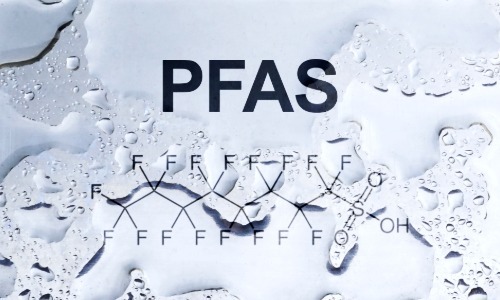 PFAS are a class of thousands of synthetic chemicals used since the 1940s for their resistance to heat, water, grease, and stains.
They’ve been widely used in:
- Nonstick cookware
- Water-resistant clothing
- Fast-food packaging
- Stain-resistant fabrics
- Firefighting foams
- Industrial manufacturing
According to the National Institute of Environmental Health Sciences, PFAS persist in the environment and accumulate in the human body over time.
The U.S. Environmental Protection Agency notes that certain PFAS are associated with immune effects, changes in hormon function, and developmental concerns.
Can PFAS Cross the Placenta?
Yes. PFAS can cross the placenta and reach the developing fetus.
Research from the National Institutes of Health shows these chemicals transfer from mother to baby during pregnancy, making prenatal exposure part of the fetal environment.
Because fetal development depends on precise hormonal, immune, and metabolic signaling, even subtle disruptions during this stage are an area of active research.
PFAS Exposure During Pregnancy: What Are the Risks?
 PFAS exposure during pregnancy has been associated with several maternal and fetal health outcomes.
Studies have associated prenatal PFAS exposure with lower birth weight, increased risk of preterm birth, pregnancy-induced hypertension, and preeclampsia, as reported by the U.S. Environmental Protection Agency and National Institutes of Health, both of which have identified PFAS exposure as an important area of public health research.
There is also growing research into:
-
- Effects on immune system development
- Changes in metabolic function
- Potential long-term health impacts on children
The American College of Obstetricians and Gynecologists recognizes environmental exposures as an important factor in pregnancy outcomes.
How PFAS May Affect the Body During Pregnancy
PFAS may influence multiple biological systems that are critical during pregnancy.
Unlike many chemicals that are quickly eliminated, PFAS can remain in the body for years. This persistence allows them to interact with biological systems over extended periods.
Researchers have identified several areas of concern:
- Hormonal (Endocrine) Disruption
PFAS may influence hormone signaling, including hormones involved in fetal growth and maternal metabolism. - Immune System Effects
Both maternal and fetal immune systems are developing and adapting during pregnancy. PFAS exposure has been associated with altered immune responses in some studies. - Placental Function
The placenta plays a critical role in delivering oxygen and nutrients. Research suggests PFAS may influence placental function, though the full implications are still being studied. - Metabolic Pathways
PFAS exposure has been linked to changes in lipid metabolism and cholesterol regulation, which are important during pregnancy.
Researchers at the Harvard T.H. Chan School of Public Health continue to study how these mechanisms may influence both pregnancy outcomes and long-term child health.
Where Does PFAS Exposure Come From?
 PFAS exposure can come from multiple everyday sources.
- Drinking Water
Drinking water is one of the most significant sources of PFAS exposure. Contamination can occur through industrial discharge, landfill runoff, and firefighting foam. The U.S. Environmental Protection Agency has identified PFAS in water systems across the United States. - Food Packaging
Grease-resistant packaging can transfer PFAS into food. - Household Products
Stain-resistant and water-repellent products may contain PFAS. - Personal Care Products
Some cosmetics and skincare products have been found to contain PFAS. - Indoor Dust
PFAS can accumulate in dust and contribute to ongoing exposure.
Why PFAS in Drinking Water Is a Primary Concern
Drinking water represents a consistent, daily source of PFAS exposure. Unlike many other exposure sources, drinking water is consumed multiple times a day, making it a continuous pathway for intake.
PFAS can also bioaccumulate, meaning small amounts consumed regularly can build up in the body over time.
Because of this, even low-level contamination in water can become significant with long-term exposure, particularly during pregnancy, when fetal development and maternal physiological changes are ongoing.

Understanding PFAS Testing and Safety Standards
PFAS regulations are evolving, and standards continue to change as new research emerges.
The U.S. Environmental Protection Agency has introduced stricter limits for certain PFAS in drinking water. However, implementing these standards across water systems takes time.
 Key factors include:
- Advanced testing requirements
- Infrastructure upgrades
- Treatment system installation
- Ongoing monitoring
Water systems may require additional time to implement testing, treatment, and monitoring requirements associated with updated standards.
This means that:
- PFAS levels can vary by location.
- “Acceptable limits” may change over time.
- Current water quality may not reflect future standards.
For consumers, understanding these variables can help inform decisions about reducing potential PFAS exposure.
Why PFAS Exposure Remains a Current Concern
Regulatory progress is underway, but exposure reduction may not be immediate.
Addressing PFAS contamination requires long-term investment and system-wide changes. As a result, there can be a gap between new regulations and measurable improvements in water quality.
For pregnant women and families, this gap reinforces an important point: personal exposure can still vary depending on location and water source.
Because of this, public health organizations often encourage practical steps individuals can take while broader solutions are implemented.
How Can Pregnant Women Reduce PFAS Exposure?
Pregnant women can reduce PFAS exposure through targeted lifestyle and water quality choices.
Key steps include:
- Using certified water filtration systems that reduce PFAS
- Limiting PFAS-containing products
- Reducing exposure to certain food packaging
- Staying informed about local water quality
Improve Drinking Water Quality
Understanding your water source is an important first step. Public reports provide useful information, but may not always capture emerging contaminants in real time.
Use NSF-Certified Water Filtration for PFAS
 From a water quality perspective, effectiveness comes down to the filtration design, pore size, and third-party certification. Certain NSF-certified filtration systems can reduce PFAS in drinking water.
Systems certified for PFAS reduction are independently tested under applicable NSF/ANSI standards.
Technologies commonly used include:
- Activated carbon
- Reverse osmosis
Some certified systems, including those from Multipure and other manufacturers, are designed to reduce PFAS levels.
When evaluating options, it’s helpful to understand the difference between:
- “Reduction” (lowering contaminant levels)
- “Removal” (eliminating contaminants completely, which is less common)
Certification helps verify performance claims and ensures the system has been independently tested.
Limit High-Risk Consumer Products
Additional steps may include:
- Reducing use of nonstick cookware
- Avoiding stain-resistant treatments
- Limiting fast-food packaging
- Reviewing personal care product ingredients
Follow Broader Environmental Health Guidance
The American College of Obstetricians and Gynecologists recommends minimizing unnecessary chemical exposure during pregnancy whenever possible.
PFAS and Breastfeeding: What Parents Should Know
PFAS can be present in breast milk, but breastfeeding is still recommended.
Health organizations continue to support breastfeeding due to its well-established benefits, while emphasizing the importance of reducing overall exposure.
Key Takeaways: PFAS and Pregnancy
- PFAS are persistent chemicals found in water, food, and consumer products
- They can cross the placenta and reach the fetus
- Exposure during pregnancy has been linked to potential health effects
- Drinking water is a major and consistent source of exposure
- Regulations are evolving, but improvements may take time
- Individual steps, including certified water filtration systems that reduce PFAS, can help reduce exposure.
This article is part of a broader series on PFAS and human health. Additional topics include exposure risks in children and practical strategies for reducing everyday exposure.


Frequently Asked Questions (FAQ): PFAS and Pregnancy
- What are PFAS and why are they a concern during pregnancy?
PFAS (per- and polyfluoroalkyl substances) are synthetic chemicals that persist in the environment and the human body. During pregnancy, they are a concern because they can accumulate over time and have been associated with developmental, immune, and metabolic effects in both mothers and babies. - Can PFAS cross the placenta?
Yes. Research shows that PFAS can cross the placenta and reach the developing fetus, meaning exposure during pregnancy becomes part of the baby’s early environment. - What health risks are linked to PFAS exposure during pregnancy?
Studies have linked PFAS exposure during pregnancy to outcomes such as lower birth weight, preterm birth, pregnancy-induced hypertension, and preeclampsia. Ongoing research is also examining potential effects on immune development and long-term child health. - What are the most common sources of PFAS exposure?
PFAS exposure can come from several everyday sources, including:- Drinking water contaminated by industrial runoff or firefighting foam (drinking water is often considered a primary and consistent source of exposure)
- Grease-resistant food packaging
- Stain- and water-resistant household products
- Certain personal care products
- Indoor dust
- Why is drinking water a major source of PFAS exposure?
Drinking water is consumed daily, making it a continuous pathway for PFAS intake. Even low levels of contamination can build up in the body over time due to the persistent nature of these chemicals. - How can pregnant women reduce PFAS exposure?
These steps can help lower overall exposure while broader environmental solutions continue to develop:- Using NSF-certified water filtration systems certified to reduce PFAS
- Limiting use of nonstick cookware and stain-resistant products
- Reducing consumption of food in grease-resistant packaging
- Staying informed about local water quality
- Do water filters remove PFAS completely?
Most certified water filtration systems are designed to reduce PFAS levels rather than completely eliminate them. Technologies such as activated carbon and reverse osmosis are commonly used and can significantly lower concentrations when properly maintained. - Are PFAS regulations in drinking water fully enforced?
Regulations are evolving, and stricter limits have been introduced in recent years. However, implementation can take time due to infrastructure upgrades and testing requirements, meaning exposure levels may still vary by location. - Is it safe to breastfeed if PFAS exposure is a concern?
PFAS can be present in breast milk, but health organizations continue to recommend breastfeeding due to its well-established benefits. Reducing overall exposure remains an important goal for maternal and child health. - Why are PFAS called “forever chemicals”?
PFAS are called “forever chemicals” because they break down very slowly in the environment and can remain in the human body for years, leading to ongoing accumulation with repeated exposure.
References and Scientific Sources
- U.S. Environmental Protection Agency (EPA) – PFAS Explained
- National Institute of Environmental Health Sciences – PFAS Overview
- American College of Obstetricians and Gynecologists - Reducing Prenatal Exposure to Toxic Environmental Agents
- Emory-led research first to detect 'forever chemicals' in newborns
- Harvard T.H. Chan School of Public Health – PFAS Health Research
- U.S. Centers for Disease Control and Prevention (CDC) - Public health evaluation of PFAS exposures and breastfeeding: a systematic literature review
- NSF Water Systems Certification