
How Much Water Should You Drink
Posted by Michele Priest on May 26th 2026
Water is one of the most essential nutrients your body needs—yet how much you actually need each day is often misunderstood. The widely repeated “8 glasses a day” rule is easy to remember, but it doesn’t reflect how hydration truly works.
|
Quick Answer: How much water you should drink each day depends on factors like body size, activity level, climate, and overall health. While the “8 glasses a day” rule is a common guideline, hydration recommendations are not one-size-fits-all and should be adjusted based on exercise, environment, and daily routine. |
From a physiological standpoint, fluid needs are not fixed—they shift based on body size, activity level, environment, and overall health. Guidance from organizations like the Centers for Disease Control and Prevention and the Mayo Clinic emphasizes that hydration supports everything from temperature regulation to cognitive performance, but the right intake varies from person to person.
Understanding how much water you actually need—and what factors influence that number—can help support energy, digestion, focus, and long-term wellness.

Why Hydration Matters More Than You Think
 From a physiological standpoint, hydration needs are not fixed numbers, but fluid ranges influenced by metabolic demand, environmental exposure, and electrolyte balance. Water plays a critical role in nearly every bodily function. The Centers for Disease Control and Prevention identifies hydration as essential for regulating body temperature, supporting digestion, and maintaining overall physiological function. In addition, research highlighted by the Harvard T.H. Chan School of Public Health highlights that even mild dehydration can impact cognitive performance, mood, and physical endurance.
Hydration can also affect mood, concentration, and physical performance. The Mayo Clinic notes that proper hydration supports normal body function, from circulation to joint health.
Is the “8 Glasses a Day” Rule Accurate?
The “8×8 rule” (eight 8-ounce glasses daily) is easy to remember—but it’s not a universal recommendation.
An article from Healthline notes that hydration doesn't come from water alone, since many foods and beverages also contribute to your daily fluid intake.
Your water totals include fluids from beverages and water-rich foods, which means your actual drinking water intake may vary.
How Much Water Should You Drink by Age?
Breaking hydration needs down by age helps make recommendations more practical and easier to apply.
Daily Water Intake by Age (General Guidelines)
|
Age Group |
Recommended |
Daily Intake |
|
Children (4-8) |
~5 cups (40 oz.) |
Increase with activity |
|
Children (9-13) |
~7-8 cups (56-64 oz.) |
Higher during sports |
|
Adult Women |
~2.7 liters (91 oz.) |
Includes food + beverages |
|
Adult Men |
~3.7 liters (125 oz.) |
Higher with activity |
|
Senior Women |
~2.7 liters (91 oz.) |
Includes food + beverages |
|
Senior Men |
~3.7 liters (125 oz.) |
Includes food + beverages |
Children: May not recognize thirst early and lose fluids quickly.
Adults: Needs vary based on activity, climate, and health.
Seniors: Reduced thirst signals increase dehydration risk.
A Simple Rule of Thumb for Daily Water Intake
 General hydration guidance from the National Academies of Sciences, Engineering, and Medicine, which suggests total daily fluid intake of approximately 2.7 liters for women and 3.7 liters for men, including fluids from both beverages and food.
A common rule of thumb is to drink about half your body weight in ounces of water per day.
For example:
- A 160-pound adult → ~80 ounces of water daily
This is a general estimate, not a strict rule, and should be adjusted for:
- exercise
- heat
- humidity
- overall health
Think of it as a starting point, not a fixed requirement.

Hydration by Lifestyle: Why Your Routine Matters
Beyond age, your daily routine plays a major role in how much water you need. An effective way to estimate fluid loss during exercise is to check your sweat rate. Weigh yourself before exercising and then again after and note how much fluid you consumed while exercising. This can help active individuals better understand their hydration needs after exercise.
 Active Individuals
Exercise increases fluid loss through sweat, which means active individuals often need more water throughout the day.
You may need:
- Additional water before, during, and after activity
- More consistent intake throughout the day
 Sedentary or Office Lifestyles
People who work indoors may not feel thirsty as often but can still become mildly dehydrated.
Air conditioning and long periods without movement can reduce awareness of hydration needs.
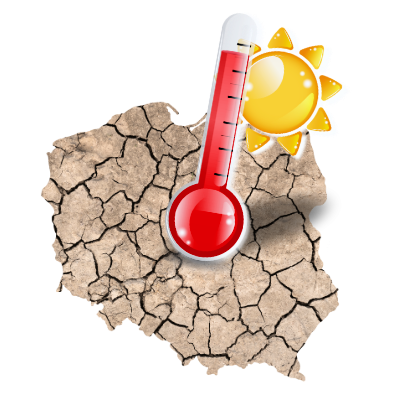 Hot or Dry Climates
Living or working in warm environments increases fluid loss—even without noticeable sweating. The Mayo Clinic notes that dehydration can occur in both humid and dry weather.
Higher intake is often necessary to maintain balance.
 Travel and Air Travel
People traveling by car or bus may limit fluid intake due to limited access to bathrooms. This can increase their likelihood of becoming dehydrated.
Airplane cabins have low humidity, which can contribute to dehydration.
Drinking water regularly while traveling can help reduce fatigue and discomfort.
Factors That Affect How Much Water You Need
Hydration needs change daily based on:
- Physical activity: increases fluid loss through sweat
- Climate: heat and humidity raise requirements
- Diet: water-rich foods support hydration, while sodium can increase fluid needs
- Health: illness and medications affect fluid balance
Signs You’re Not Drinking Enough Water
Common signs of dehydration include:
- Fatigue
- Headaches
- Dry skin or lips
- Dark yellow urine
- Dizziness
- Difficulty concentrating
These symptoms can appear before you feel very thirsty.
Can You Drink Too Much Water?
Overhydration is rare but possible. Drinking excessive amounts in a short time can dilute sodium levels in the blood.
For most people, maintaining steady intake throughout the day is the safest approach.
How Water Quality and Filtration Fit In
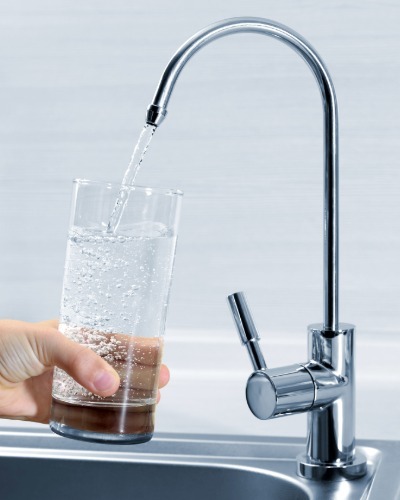 Hydration isn’t just about how much you drink.
It’s also about what you’re drinking.
For many households, improving hydration habits isn’t just about drinking more water, it’s also about feeling confident in the water they’re drinking. If taste, odor, or overall water quality are concerns, some people choose to explore NSF certified water filtration systems as a way to help improve the taste and odor of their water. In the U.S., public water systems are regulated by the United States Environmental Protection Agency (EPA), and require that utilities provide a Consumer Confidence Report outlining water quality each year.
From a water quality perspective, effectiveness comes down to filtration design, pore size, and third-party certification—factors that help determine whether microscopic contaminants are reduced or simply pass through.
Why Quality Can Influence Habits
Factors like taste and odor can affect how much water people choose to drink.
Water filtration can help:
- Improve taste and smell
- Reduce certain substances
- Encourage more consistent hydration
Rather than replacing public systems, filtration is often used as a complementary step for those looking to improve their daily water experience.
Practical Tips for Better Hydration
- Start your day with water
- Carry a reusable bottle
- Drink with meals
- Set reminders if needed
- Add natural flavors like citrus or cucumber
Consistency matters more than perfection. 
Key Takeaways
- There is no one-size-fits-all recommendation for daily water intake—your needs vary based on age, body size, activity level, and environment.
- The commonly cited “8 glasses a day” rule is a simple guideline, but it does not reflect individual hydration requirements.
- General benchmarks from organizations like the Mayo Clinic and the Centers for Disease Control and Prevention emphasize consistency over exact volume.
- A practical starting point is drinking about half your body weight in ounces of water per day, then adjusting for exercise, climate, and overall health.
- Hydration needs increase with physical activity, heat, humidity, and certain health conditions.
- Signs like fatigue, headaches, and dark urine may indicate you’re not drinking enough—even before you feel thirsty.
- Drinking water consistently throughout the day is generally more effective than consuming large amounts all at once.
- Taste and water quality can influence how much water you drink, which is why some people explore filtration as part of their hydration routine.

- How do I know if I’m drinking enough water?
Light yellow urine and steady energy levels are good indicators. - Does coffee or tea count toward hydration?
Yes, most beverages contribute to daily fluid intake. - How much water should I drink based on my weight?
A common guideline is about half your body weight in ounces, adjusted for activity and climate. - Should I drink more water when exercising?
Yes, replace fluids lost through sweat. - Is it better to sip water or drink large amounts at once?
Sipping consistently throughout the day is more effective. - Does filtered water make a difference?
It can improve taste and reduce certain substances, which may encourage more consistent hydration.
Trusted Sources
U.S. Centers for Disease Control and Prevention (CDC). About Water and Healthier Drinks
Mayo Clinic. Water: How much should you drink every day?
Mayo Clinic. Dehydration
Healthline. Foods and beverages other than water can contribute to hydration
NSF. Water Systems Certification
United States Environmental Protection Agency (EPA). Safe Drinking Water Act: Consumer Confidence Reports (CCR).