Cooking With Tap Water vs. Filtered Water
Jul 17th 2025
Water is an essential ingredient in most meals, from boiling pasta to washing vegetables to simmering soups. When cooking, it's easy to use water from the tap without considering its quality and how it impacts your food. Tap water is generally safe for consumption, but it can also contain impurities that can affect your food's taste and quality. Cooking with tap water may also pose potential health risks by introducing harmful substances into your meals.
Since water is needed for cooking, filtered water becomes the obvious solution. By removing or reducing impurities and contaminants, filtered water can enhance the flavor of your food and ensure you can enjoy the healthiest meals possible.
Understanding Tap Water Quality
Even though Earth's surface is primarily covered in water, less than 1% is available for human consumption. The scarcity of this valuable resource makes tap water quality a critical concern.
Tap water can be contaminated by viruses and bacteria or chemicals such as lead, copper, PFAS (forever chemicals), and arsenic. The quality of your tap water depends heavily on your local water sources and the treatment processes it undergoes.
Water treatment plants work to remove many contaminants, but their effectiveness varies. Even after treatment, the water can still contain chlorine, which treatment plants often add for disinfection. Your water can also pick up contaminants while traveling through aging pipes to get to your home. All of these factors contribute to the final quality of the water that flows from your faucet.
Is Cooking With Tap Water Safe?
Tap water is generally considered safe for cooking when it meets standards like the Safe Drinking Water Act. If you rely on a private well, your water may not be subject to the same environmental guidelines. Regardless of the water source, cooking with tap water can still be a cause for concern because of the potential for contaminants. Here are some situations to keep in mind:
1. Health Risks
Understanding the contaminants in tap water makes it easy to see how it can present potential health risks. Consuming these harmful substances over time, even in small amounts, can contribute to various health issues. For example, copper can cause diarrhea, while chemical radon can cause lung cancer. Contaminated tap water can especially affect vulnerable populations like children, pregnant individuals and older people.
2. Taste and Appearance
Due to the quality of the water, the food you cook may have an unusual taste or appearance. While some contaminants go unnoticed, others can significantly impact your food. High chlorine or chloramine levels, for instance, can add a distinct and unpleasant flavor to dishes and even alter the texture of some foods.
3. Boiling Water
You may wonder if boiling your tap water can remove impurities. Unfortunately, it's not that simple. The heat from boiling the water can effectively kill or inactivate bacteria and viruses — but it doesn't eliminate harmful contaminants like lead or forever chemicals. Specialized filtration methods are required in these cases.
In fact, boiling tap water can actually increase the concentration of certain chemicals as the water evaporates. While boiling is beneficial for specific purposes, it's not a comprehensive solution for ensuring water safety in cooking.
The Benefits of Filtered Water in Cooking

It's easy to underestimate the impact of the water we use on the food we cook. When you make the decision to switch from tap water to filtered water, you'll find that it comes with numerous benefits. Here are some of the reasons why using filtered water for cooking is a healthy choice:
- Reduced amount of contaminants: The main benefit of cooking with filtered water is that it reduces the contaminants that enter your food. Filtered water undergoes specialized filtration that reduces the presence of harmful substances. The type of water filter you use determines the specific contaminants that are reduced.
- Enhanced flavor: Filtered water has a cleaner taste that allows the natural flavors of your food to be at the forefront. There is no longer the unpleasant taste that comes from cooking with tap water containing chlorine and other impurities.
- Better baking: Using filtered water in baking can improve the texture and rise of your baked goods. That's because chemicals like chlorine can prevent yeast from working effectively.
- Healthier cooking: Since using filtered water for cooking can significantly reduce your exposure to harmful substances, it is considered a healthier cooking practice. The quality of the water you use is just as essential as choosing fresh, high-quality ingredients.
Types of Water Filters for Cooking
The benefits of filtered water in cooking are clear. Instead of relying on bottled water that costs a fortune and contributes to plastic waste, it's more convenient and sustainable to filter your own water. Installing a water filter in your kitchen gives you a readily available source of filtered water for drinking and cooking, directly from your tap. With several types of water filters on the market, it's important to consider your options to make the right choice for your household.
1. Carbon Filters
Carbon filters are usually made from organic materials with high carbon content. These filters contain activated carbon, which is highly porous and has a slightly positive charge, allowing it to attract and absorb contaminants. You'll find two main types: granular activated carbon (GAC) filters, which reduce specific contaminants like volatile organic compounds (VOCs) and pesticides, and solid carbon block filters, which reduce a broader range of harmful substances like lead, pharmaceuticals, and microplastics.
2. Reverse Osmosis Filters
Reverse osmosis filters are effective against contaminants like lead, arsenic, bacteria, and viruses, and they remove minerals as well. However, they are less effective against VOCs and chlorine. They often use a thin film composite (TFC) or cellulose triacetate (CTA), with TFC being more effective but susceptible to chlorine damage. As a result, they tend to be paired with activated carbon pre-filters.
3. Ceramic Filters
Ceramic filters use tiny pores to block dirt and contaminants from entering the water. They reduce concentrations of bacteria but are less effective against viruses and chemicals. While they are long-lasting, ceramic filters are susceptible to algae and bacterial growth, which can be inhibited with a silver coating.
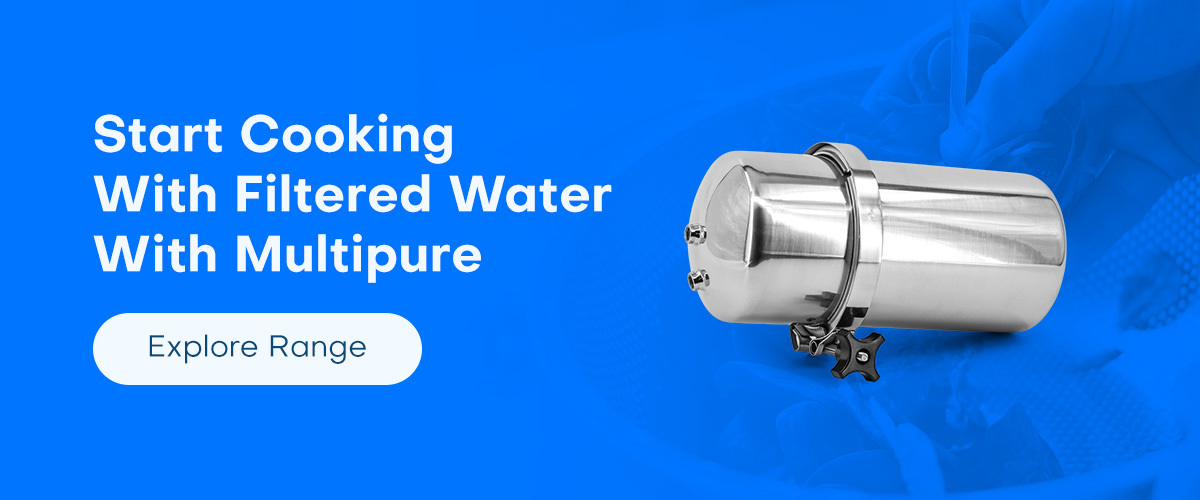
Start Cooking With Filtered Water With Multipure
Why spend money on organic, better-quality food and cook it using water of unknown quality? Filtered water is the way to go to ensure healthier cooking and better-tasting meals. Multipure's point-of-use water filtration systems effectively reduce a wide range of contaminants, from bacteria and viruses to forever chemicals and more. Explore our drinking water systems and contact us to learn more.